


Farmington – Farm game
4.82.44K Reviews
App Specs
- Version
- 1.90.0
- Updated On
- License
- Free
- Downloads
- 10,000,000+
- Developer
- UGO Games
- Categories
- Adventure
- Platform
- Android, iOS
Screenshots

 Analysis by AppCompare
I like farming games most when they give me a small, satisfying job to return to rather than demanding a long session. Farmington – Farm game is built around that gentle rhythm: grow crops, turn the harvest into goods, and gradually shape a farm that feels like your own. It’s an adventure game from UGO Games, and its appeal is less about racing through a story than finding a comfortable routine among planting, harvesting, and improving your patch of countryside.
That central loop also makes it easy to fit into an ordinary day. I can imagine checking in during a quiet break, deciding what to plant next, then returning later to collect the result and work on another small goal. The useful question is whether you enjoy that kind of gradual progress. If you want a farm game that rewards patience and gives you room to make the place yours, this one has a lot to offer; if you need constant action or a tightly directed campaign, its unhurried pace may feel too slight.
Growing a Routine, One Harvest at a Time
The game is free to download and is rated for Everyone, which makes it an approachable choice for younger players as well as adults looking for a low-pressure pastime. Its average rating is 4.8 from around 296,000 ratings, and it has been installed over 10 million times. Those figures suggest a broad audience, but they don’t tell you whether its pace will suit you. I’d judge that by how much you enjoy checking in on a farm and making steady, small decisions.
A Farming Loop That Builds Gradually
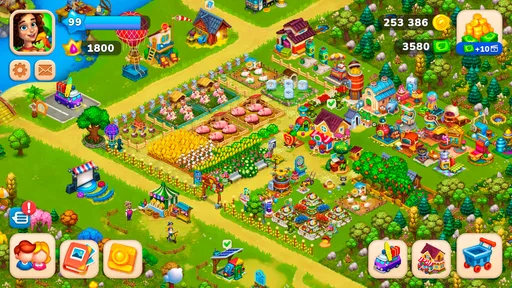
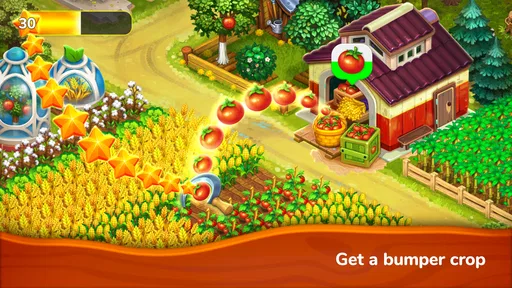
The first thing that strikes you about Farmington – Farm game is its colorful and inviting interface. It’s like stepping straight into a whimsical storybook. As you start the game, you’re greeted by a friendly character who guides you through the basics of farming. From planting your first seeds to harvesting your crops, the tutorial is incredibly intuitive and gets you up to speed in no time.
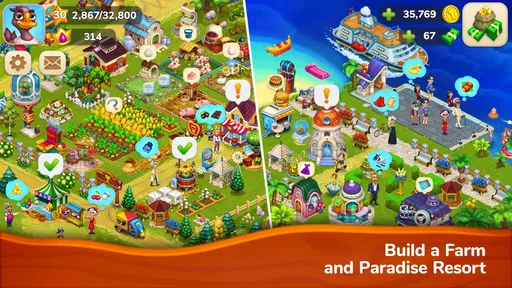
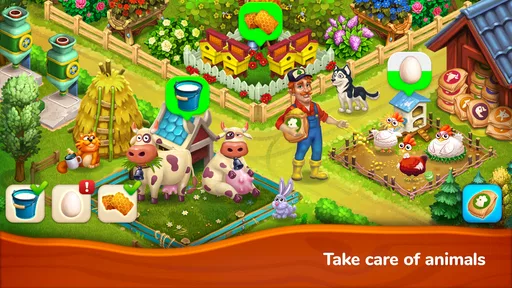
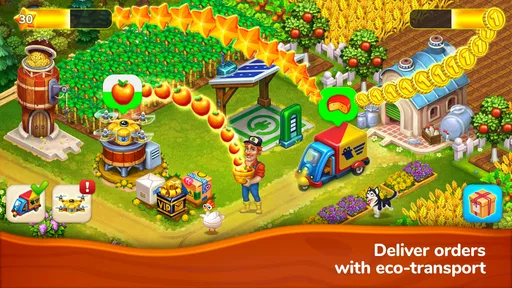
One of the things I love is how the game gradually introduces new features. You don’t get overwhelmed with a ton of options right off the bat. Instead, you unlock new tools and capabilities as you level up, which keeps things fresh and exciting. You’ll start with the basics like wheat and corn, but before you know it, you’ll be managing a bustling farm with livestock, orchards, and even a dairy plant!
That gradual expansion is the part I’d pay attention to if you’re choosing between this and a more freeform farming game. Early on, a guided path can be reassuring: there’s a clear next task, so you aren’t left staring at an empty field wondering what the game expects. Later, the growing number of things to manage gives the farm more character. The trade-off is that progress is designed to unfold over time, so it’s a better fit for someone who likes gradual goals than someone hoping to unlock everything in one long sitting.
A practical way to approach the early stages is to treat each visit as a short plan rather than trying to do everything at once. Look at what you can plant, harvest what is ready, and then choose a next step that moves you toward a current goal. That simple order helps the farm feel purposeful instead of like a collection of chores. I also find it useful to think about what I’ll want to do on my next visit before closing the game; having a clear next action makes it easier to pick up the routine again.
Worth Reading Before You Choose

Flipboard Shows What News Apps Must Do Beyond the Feed

Switching to Android Auto Means Rethinking Your Driving Routine

Google Calendar Makes a Crowded Week Easier to Manage

Ludo King Makes the Most of the Minutes Between Plans

Baby Panda World Brings Quick Play to Modern Phones, but Its Game Library Feels Busy

ESPN’s Live Game View Makes Following Close Games Easier
Designing a Farm That Works for You
Customization is at the heart of the game. You’re not just growing crops; you’re building a world. The layout of your farm is entirely up to you. Want to line your paths with apple trees or create a cozy chicken coop corner? Go for it! The freedom to design and decorate your farm is what makes every player’s experience unique. There’s something incredibly satisfying about watching your farm evolve and flourish with each decision you make.
There’s a small but useful design choice hidden in that freedom: looks and convenience don’t always have to compete. I’d group the things I use often in a compact, easy-to-read part of the farm, then leave more decorative arrangements for the edges or spaces I pass less often. That way, a farm can still feel personal without making routine actions harder to follow. If you enjoy arranging spaces, it’s worth adjusting the layout as the farm grows instead of treating the first arrangement as permanent.
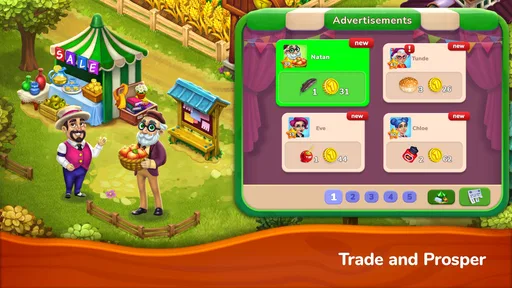
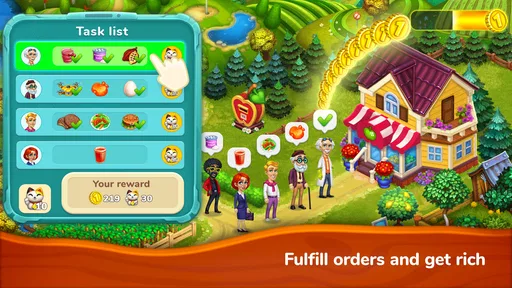
As you progress, you’ll encounter various missions and challenges that keep you engaged. Whether it’s fulfilling orders for the local market or participating in seasonal events, there’s always something to keep you on your toes. And trust me, the sense of accomplishment you feel when you complete a task is well worth the effort.
Orders can also help answer the common question of what to work toward next. When several tasks compete for attention, I’d focus on the one that fits what the farm can already produce, rather than chasing every request at once. That keeps the loop manageable and reduces the feeling that you need to constantly reorganize your plans. For a player who likes checking off clear goals, missions give the open-ended decorating and farming a useful sense of direction.
What a Realistic Check-In Looks Like
Picture opening the game while waiting for dinner to finish. You collect whatever is ready, check which task seems easiest to advance, and plant something for the next time you have a moment. That is where the design makes sense to me: the session can have a beginning and an end, even though the farm itself keeps developing across many visits. Rather than needing a large block of free time, you can treat each check-in as one small contribution to a longer project.
The same approach works during a commute break or a quiet moment between other tasks, provided you’re comfortable with a game that asks you to return as progress unfolds. It is not the best choice if you want a complete adventure in a single sitting. I’d also avoid turning every visit into a race to clear every possible task. Choosing one priority makes the game feel more restful and helps preserve the pleasure of seeing the farm gradually take shape.
Farmington is free to play, with optional in-app purchases ranging from $0.49 to $119.99 per item. I’d recommend deciding in advance whether you want to spend anything, especially if you’re introducing it to a younger player. The farm’s gradual pace is part of its appeal, so there’s no need to treat purchases as the default way to enjoy it. If you prefer to keep spending out of the experience, you can simply approach the game as a relaxed, ongoing routine.
Social Play and the Limits of Comparison
Farmington doesn’t leave you isolated in your farming endeavors. The game has a vibrant online community where you can connect with other players. You can visit friends’ farms, trade goods, or even compete in friendly challenges. It’s a great way to share tips and strategies, and it adds a social dimension that enhances the overall experience.
The developers have done a fantastic job of creating a supportive and interactive community. Regular updates and new content keep the game fresh and ensure there’s always something new to discover. Plus, the in-game chat and forums are perfect for making new friends who share your love of virtual farming!
Compared with a purely solo farm builder, the social side gives you another reason to return: you can look beyond your own layout and see how other players approach theirs. That can be helpful if you’re unsure how to arrange your space or simply want a little company around a solitary activity. On the other hand, if you’d rather play without social interaction, you may get less from those community elements; the farm-building loop is still the main draw, but the shared layer won’t be a selling point for everyone.
It’s also worth choosing your comparison carefully. Some farming games focus more heavily on direct competition, while others emphasize quiet decoration or a more self-contained progression. Farmington sits comfortably between those approaches: it gives you personal farm development alongside tasks and ways to connect with other players. If your priority is a tightly scripted adventure, a farming game with a stronger narrative may suit you better. If you want a flexible farm to revisit and gradually improve, this balance is more appealing.
A Calm Pace, With Real Trade-Offs
What sets Farmington apart from other farming games is its perfect balance of relaxation and realism. The game doesn’t pressure you with tight deadlines or penalties for taking it slow. You can farm at your own pace, making it the perfect escape from daily stressors. On the flip side, the attention to detail in the game is remarkable. From the weather effects to the growth cycles of your plants, everything is crafted to mimic real-life farming, giving you a truly immersive experience.
The soothing background music and the gentle clucking of chickens create a calming atmosphere that’s perfect for unwinding after a long day. It’s like a mini-vacation in your pocket, ready to transport you to your happy place whenever you need it.
That relaxed approach has a limit: players who want every session to deliver a big dramatic payoff may find the repeated cycle of planting, collecting, and completing goals too gentle. It is also a game whose best moments accumulate gradually, so someone who dislikes returning to the same project may not feel the same attachment to the farm. I would choose a faster-paced adventure or a compact puzzle game instead if I wanted a clear ending and a more concentrated burst of action.
For me, the best way to keep the calm from becoming routine is to alternate between practical progress and personal design. One visit can be about meeting a task; another can be about improving the look and flow of the farm. That small shift in focus gives the same basic activities a different purpose. It’s a simple habit, but it makes the farm feel less like a checklist and more like a place I’m shaping over time.
Who Will Enjoy Coming Back
Farmington is a strong match for casual players who enjoy visible progress, gentle goals, and the satisfaction of tending a place over time. It can also work well for someone new to farming games because the opening tutorial eases you into the basic actions, while later progression introduces more to manage. If you like arranging a space, making a short plan, and seeing the results on a future visit, there’s a good chance the loop will click.
I’d be more cautious if you’re looking for a game that can be completed quickly, or if you dislike waiting for gradual progress and prefer every action to pay off immediately. People who find decorating unimportant may also get less enjoyment from the freedom to shape a farm. The game’s current version is 1.80.1 and it supports Android 7.1 or later, so it’s worth checking that your device meets that requirement before installing. UGO Games has made a farming experience that is easy to approach, but its strongest appeal is still its particular blend of routine, growth, and personal layout.
The Final Harvest
So, is Farmington – Farm game worth downloading? Absolutely! Whether you’re a seasoned gamer or a newbie looking for a fun and engaging pastime, this game has something for everyone. It’s charming, addictive, and offers a delightful escape into a world where you can be the master of your own agricultural empire.
Download it today and start planting the seeds of your farming adventure. Who knows? You might just discover a hidden passion for virtual agriculture!
Pros
- Engaging farming gameplay mechanics.
- Vibrant and colorful graphics.
- Regular updates with new content.
- Simple controls
- easy for all ages.
- Offline mode available for play.
Cons
- In-app purchases can be pricey.
- Occasional connectivity issues.
- Limited customization options.
- Ads can be intrusive at times.
- Progression can feel slow.
FAQs for Farmington – Farm game
What is Farmington – Farm Game about?
Farmington – Farm Game is a simulation game where players manage and grow their own virtual farm. From planting crops to raising animals, players can experience the joys and challenges of farming. The game offers a variety of tasks, such as harvesting, trading goods, and expanding your farm, all designed to provide a rich and immersive agricultural experience.
Is Farmington – Farm Game free to play?
Yes, Farmington – Farm Game is free to download and play. However, it does offer in-app purchases that can enhance the gameplay experience. These purchases are optional and include items like special seeds, tools, and decorations that can help you progress faster or customize your farm more uniquely.
What are the system requirements for Farmington – Farm Game?
Farmington – Farm Game is compatible with most modern Android and iOS devices. For Android, it typically requires version 5.0 or higher, and for iOS, it usually needs version 10.0 or later. It's recommended to have a stable internet connection and sufficient storage space to ensure smooth gameplay.
Can I play Farmington – Farm Game offline?
While Farmington – Farm Game does offer some offline functionality, many of its features require an internet connection. This includes trading with friends, participating in events, and accessing new content. For the best experience, it’s advisable to play with an active internet connection to fully enjoy all aspects of the game.
How does the social aspect work in Farmington – Farm Game?
Farmington – Farm Game incorporates social elements where players can visit each other's farms, trade goods, and participate in cooperative events. You can connect with friends via social media platforms or in-game networks. This social interaction adds a collaborative aspect to the game, enhancing the overall farming community experience.


